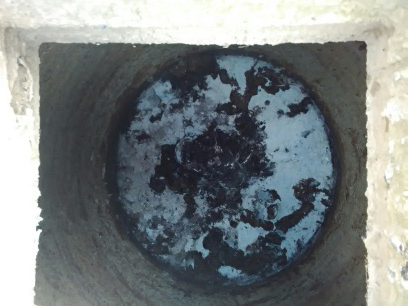
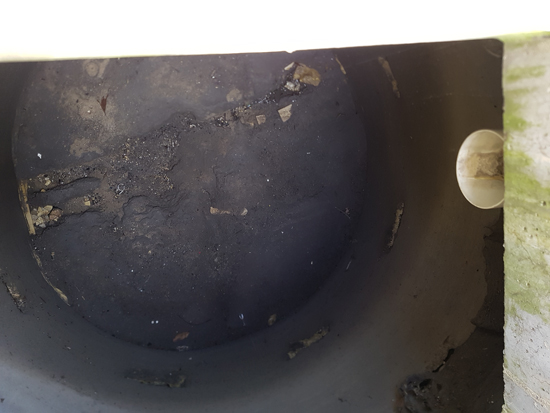
Controlled waste soakwell cleaning is required when a soakwell contains contaminated materials like oil, chemicals, paint, fats, or other manmade pollutants. These materials must be disposed of according to strict Western Australian regulations using licensed vehicles and facilities. Laboratory analysis is required to determine proper disposal methods.
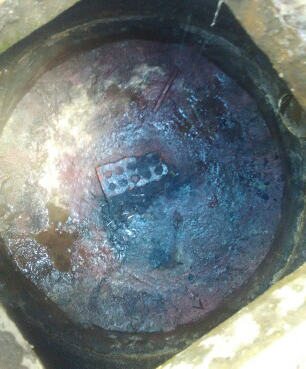
Signs of contamination include: oily residue or oil slicks, chemical smells, unnatural colors (concrete slurry, paint), fats or food waste, or foaming. If your soakwell shows any of these signs, it requires controlled waste disposal. Contaminated soakwells can leach pollution into the water table if not properly cleaned.
Controlled waste cleaning costs more than standard cleaning due to licensing requirements, specialized equipment, laboratory analysis, and regulated disposal fees. Costs vary based on contamination type and extent. Contact us for a detailed quote specific to your situation.
Not always. Some contaminants like engine oil and concrete slurry can penetrate deep below the soakwell, permanently preventing proper drainage. In cases where contamination has penetrated too deeply, the soakwell may not be recoverable. We can assess your situation and recommend adding a complementary soakwell if cleaning isn't viable.
The process includes: 1) Assessment of contamination type, 2) Laboratory analysis of the material, 3) Removal using licensed controlled waste vehicles, 4) Disposal at approved facilities according to WA regulations, 5) Documentation and compliance certificates. All controlled waste must follow strict guidelines to protect the environment and water table.
When a soakwell is contaminated, the spoil must be treated as a controlled waste. The process involves analysing the material and disposing of it based on it's type, according to regulations. Disposal is usually charged by the litre.
While the material can be removed and disposed of, property owners or tenants are responsible for determining the extent of their obligation and the impact on the environment.
How is it done?
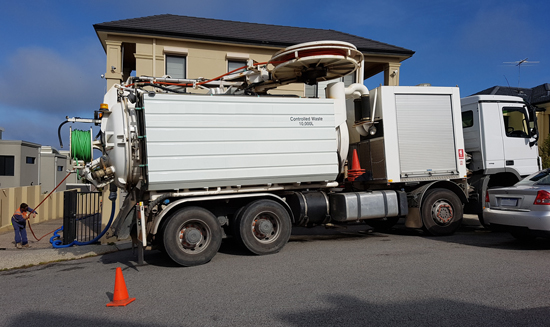
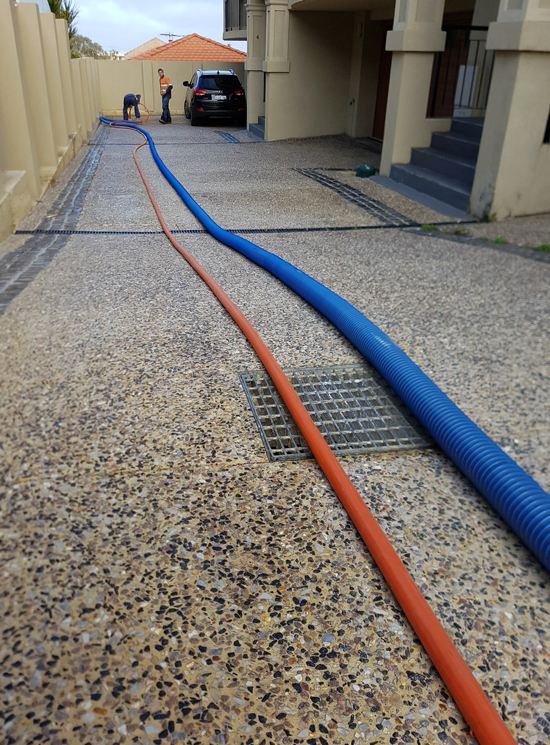
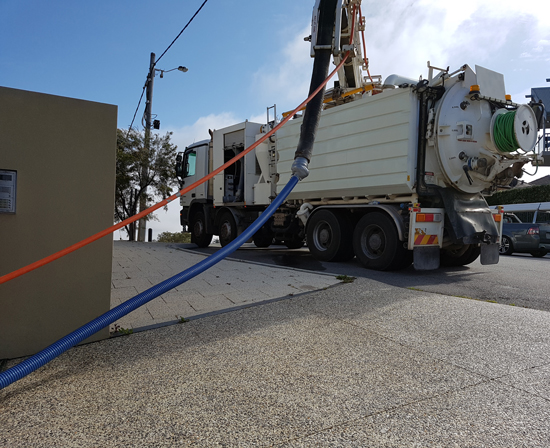
Typically the vehicle will have two operators and use an extendable hose. One operator will be at the vehicle controlling the machine and operator controlling the hose.
The hose is high powered and efficient compared to the non-controlled waste vehicle, as well as versatile when access is restricted at up to 120 metres long.
The equipment is charged at an hourly rate including labour (two men) and the spoil disposal is charged by the litre. There is also a fee for the laboratory analysis of the material. It is important to note that any material that enters the tank will be treated as a controlled waste including water.
Soakwell maintenence considerations
Are there any smells or slicks to indicate the soakwell is contaminated?
Is the grate in the soakwell cover accessible, can it be opened or is it rusted?
How will traffic be affected by the cleaning. Each soakwell can take an hour on average.
How compact is the material, is the soakwell completely full or only a third?
If the water is not draining away, could it be due to the water table in the area? Is the ground type suitable?
Is the soakwell system adequate or is it being saturated? The recommended volume can be calculated and additional soakwells can be installed as required.
PLEASE NOTE: Quotes are an estimation based on the minimum hire, the number of soakwells to be cleaned, the type and volume of spoil to be removed and access requirements.
Spoil Disposal Estimator (m3)
Spoil disposal for soakwells is charged by the cubic meter, (including water). The amount of spoil is an estimate only and may vary based on the depth of the soakwell.
To estimate the volume you need the diameter of the soakwell and the approximate height of the material to be removed.
What is a contaminated Soakwell?
If there is any smell, oil, fat, paint or any kind of unnatural material in the soakwell it is contaminated. This is because the purpose of a soakwell is to return the water to its source, where it would have landed had it been bushland instead of being developed. A contaminated soakwell can leach pollution into the water table.
Can you clean a contaminated Soakwell?
Maybe. Certain types of soakwell contamination such as oil and concrete slurry can penetrate deep below the soakwell, permanently preventing it from leeching water. In cases where a soakwell cannot be recovered, an additional complementary soakwell can be added.
Soakwells should generally be maintained every two years to avoid a build up of hydrocarbons contaminating the sand.
Depending on the reason for the cleaning, the waste may be considered either controlled or non-controlled. Controlled waste must be disposed of according to strict guidelines (additional charges apply).
Certain types of contamination can penetrate deep into the sand. This type of issue can require the removal of more material than normal. Clean sand must then be added to bring the level back up to the base of the soakwell.
In some cases of extreme contamination it may not be possible to bring the soakwell back to a functional capacity and an additional soakwell may be required.
In some situations soakwells may not be draining simply due to the water level in the area.