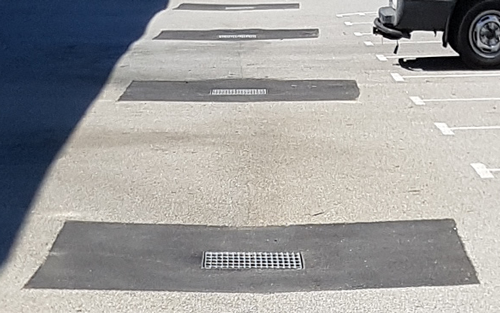
Soakwell cover replacement costs vary based on cover size, location, access, whether concrete/asphalt cutting and resurfacing is required, and disposal needs. The process typically includes cutting, removal, installation of new cover, compaction, and resurfacing. Contact us for a detailed quote based on your specific requirements.
Common reasons include: rusty grates that compromise the cover's integrity, cracks or damage from vehicle traffic, deteriorated concrete, or when the embedded frame has rusted inside the concrete. In commercial environments, rusty grates should be replaced immediately as the rusting process inside the concrete will eventually cause sudden failure under load.
Most soakwell cover replacements are completed in 1-2 days depending on the number of covers, resurfacing requirements, and access. The process involves concrete cutting, excavator removal, new cover installation, compaction, and resurfacing (asphalt/concrete/paving). We coordinate all aspects to minimize disruption.
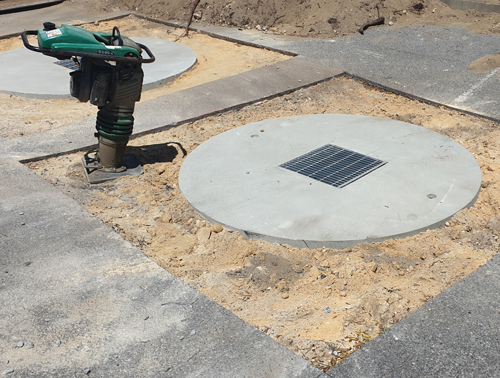
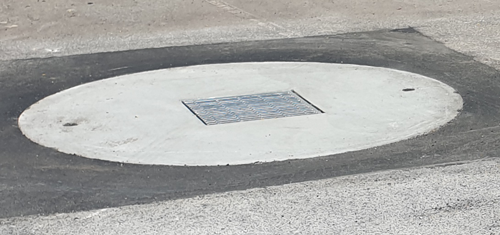
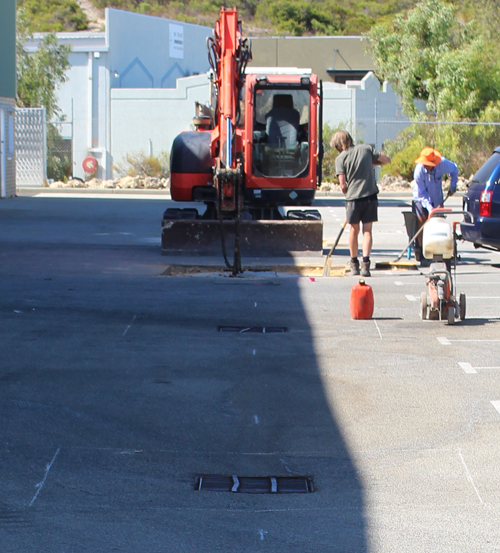
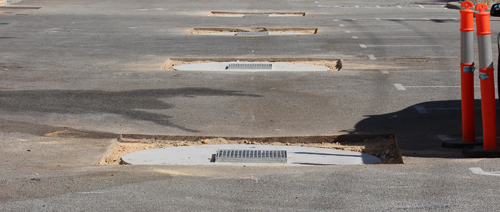
The process includes: 1) Cutting around the existing cover with a concrete saw, 2) Removing the old cover with an excavator, 3) Installing the new cover at the same height, 4) Adding roadbase and compacting with a vertical ram, 5) Resurfacing (asphalt/concrete/paving), and 6) Disposing of old covers properly.
We recommend trafficable covers (150mm thick) for all applications, even pedestrian-only areas. Standard covers are only 75mm thick and can fail unexpectedly. Trafficable covers provide much better safety and longevity, especially for property managers overseeing commercial or residential buildings.
Often soakwells have grates set in the lids. The frame of the grate is set into the soakwell cover when the concrete is poured during construction of the cover. This prevents the frames removal in the future.
Something both residential and commercial property managers may encounter is grates on older soakwells rusting, eventually requiring replacing. This is most common when grates have been paved over.
The only proper way to truly fix the problem is to remove the existing soakwell cover and grate and replace it with a new rust resistant one. This is because it is impossible to replace the frame and the rusting process inside the concrete will eventually and suddenly cause the cover to fail under load.
Tip! - A common misconception is concrete soakwells are stronger than polypropylene soakwells when in fact they are considered equal for normal road traffic (Class C Trafficable).
General Information
All About Soakwells is based in Perth, Western Australia and strives to always provide the right advice to avoid having to conduct expensive repairs in the future. With over 20 years experience installing and repairing soakwells.
Only trafficable covers (150mm thick) are recommended, even for places that only receive pedestrian traffic as the standard covers are only 75mm thick.
Cutting and resurfacing of both concrete and asphalt is available.
Working with property managers for residential and commercial buildings requires clear communication between contractor, manager and tenant to minimise disruption.
How do you replace a soakwell cover?
Generally the process is as follows:
Cutting around the existing soakwell cover with a concrete saw, ensuring to leave enough room for compaction,
Removal of the old soakwell cover with the appropriate sized excavator,
Installation of the new soakwell cover to the same height,
Adding the required roadbase and compaction with a vertical ram,
Resurfacing (ashphalt / concrete / paving),
Disposal of the old covers.
Grates can be manufactured to sit in the existing frame, however this is not recommended (particularly for commercial sites).
Proper equipment and experience ensures that the repair process is as smooth as possible. All aspects of the job including material supply, concrete cutting, disposal of spoil and the old covers and resurfacing can be coordinated.
All About Soakwells is based in Perth, Western Australia and strives to always provide the right advice to avoid having to conduct expensive repairs in the future. With over 20 years experience installing and repairing soakwells.
Only trafficable covers (150mm thick) are recommended, even for places that only receive pedestrian traffic as the standard covers are only 75mm thick.
Cutting and resurfacing of both concrete and asphalt is available.
Working with property managers for residential and commercial buildings requires clear communication between contractor, manager and tenant to minimise disruption.