Yes, but with limitations. If the owner accepts the risk (e.g., in pedestrian-only areas), we can cut out the old grate and install a new one in the existing frame. However, this retains the corroded frame inside the concrete. For commercial properties or vehicle traffic areas, we strongly recommend full cover replacement as the rusting frame will eventually cause sudden failure under load.
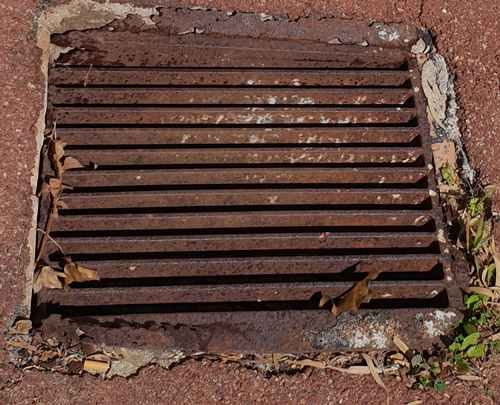
Grate rust is common, especially when grates have been paved over with bricks or pavers. The grate frame is cast into the concrete cover when poured, making future replacement impossible without removing the entire cover. Moisture and time cause the steel frame to corrode, eventually compromising the cover's structural integrity.
The process includes: 1) Cutting out the hinges and removing rusted material, 2) Cutting a new grate from its frame (supplied by manufacturer), 3) Galvanizing cut areas to prevent corrosion, and 4) Setting and mortaring the new grate in place. This is suitable for low-risk areas only.
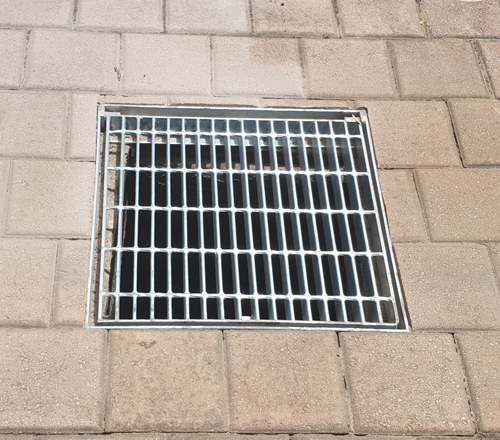
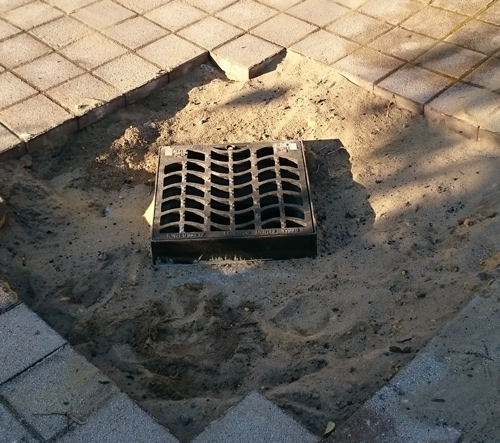
If paving over the grate caused the issue, simply replacing it will result in the problem recurring. The proper solution is to replace the entire soakwell cover with one that has a grate raised 100mm above the surface for concrete/paving, rather than a flush grate.
No. For commercial properties, liability concerns require full cover replacement rather than grate-only replacement. If the corroded frame inside the concrete causes the cover to suddenly fail, it could result in injuries or vehicle damage. Commercial property managers should replace the entire cover and grate assembly.
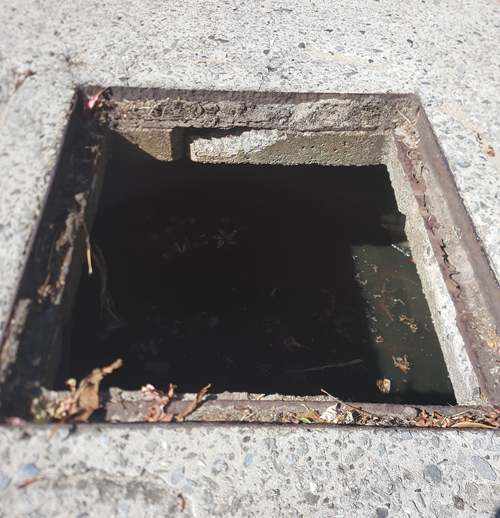
Something both residential and commercial property managers may encounter is the grates on older soakwells are often rusty and eventually require replacing. This is often the case when the grate has been paved over.
The catch is that the frame of the grate is set into the soakwell cover when the concrete is poured, preventing replacement in the future.
The only proper way to truly fix the problem is to remove the existing soakwell cover and grate and replace it with a new rust resistant one. This is because it is impossible to replace the frame and the rusting process inside the concrete will eventually and suddenly cause the cover to fail under load.
However if the owner deems that there is no risk, perhaps if no vehicles directly traverse the soakwell cover, then the grate can be chopped out of the existing frame and a new one inserted. This will however retain the existing frame.
Tip! - A common misconception is concrete soakwells are stronger than polypropylene soakwells when in fact they are considered equal for normal road traffic (Class C Trafficable).
General Information
All About Soakwells is based in Perth, Western Australia and strives to always provide the right advice to avoid having to conduct expensive repairs in the future. With over 20 years experience installing and repairing soakwells.
Only trafficable covers (150mm thick) are recommended, even for places that only receive pedestrian traffic as the standard covers are only 75mm thick.
Cutting and resurfacing of both concrete and asphalt is available.
Working with property managers for residential and commercial buildings requires clear communication between contractor, manager and tenant to minimise disruption.
How do you replace a soakwell grate?
Generally the process is as follows:
Cut out the hinges of the existing soakwell and remove any rusted material,
Cut a new grate from it's frame (supplied by soakwell manufacturer),
Galvanise cut area's to prevent corrosion,
Set new grate in existing frame and mortar in place.
This process is not recommended for commercial properties due to liability, should the cover suddenly fail due to the condition of the old frame.
If the issue was caused by the grate being paved over, repaving will result in it reoccuring. The solution is to change the soakwell cover for one with a grate raised 100mm for concrete/paving instead of flush.
All About Soakwells is based in Perth, Western Australia and strives to always provide the right advice to avoid having to conduct expensive repairs in the future. With over 20 years experience installing and repairing soakwells.
We recommend only using trafficable covers (150mm thick), even for places that only receive pedestrian traffic as the standard covers are only 75mm thick.
We can cut and resurface both concrete and ashphalt.
We specialise in working with property managers for residential and commercial buildings by ensuring clear communication between contractor, manager and tenant to minimise disruption.